Mainstream Veganisms Big mistake: Comparing Human Oppression to Animal Suffering
(5 minute read)
To all the vegans who still don’t understand why it’s harmful to compare human histories of oppression—such as the Transatlantic Slave Trade, chattel slavery, the Holocaust—to the oppression experienced by non-human animals, this article is for you.
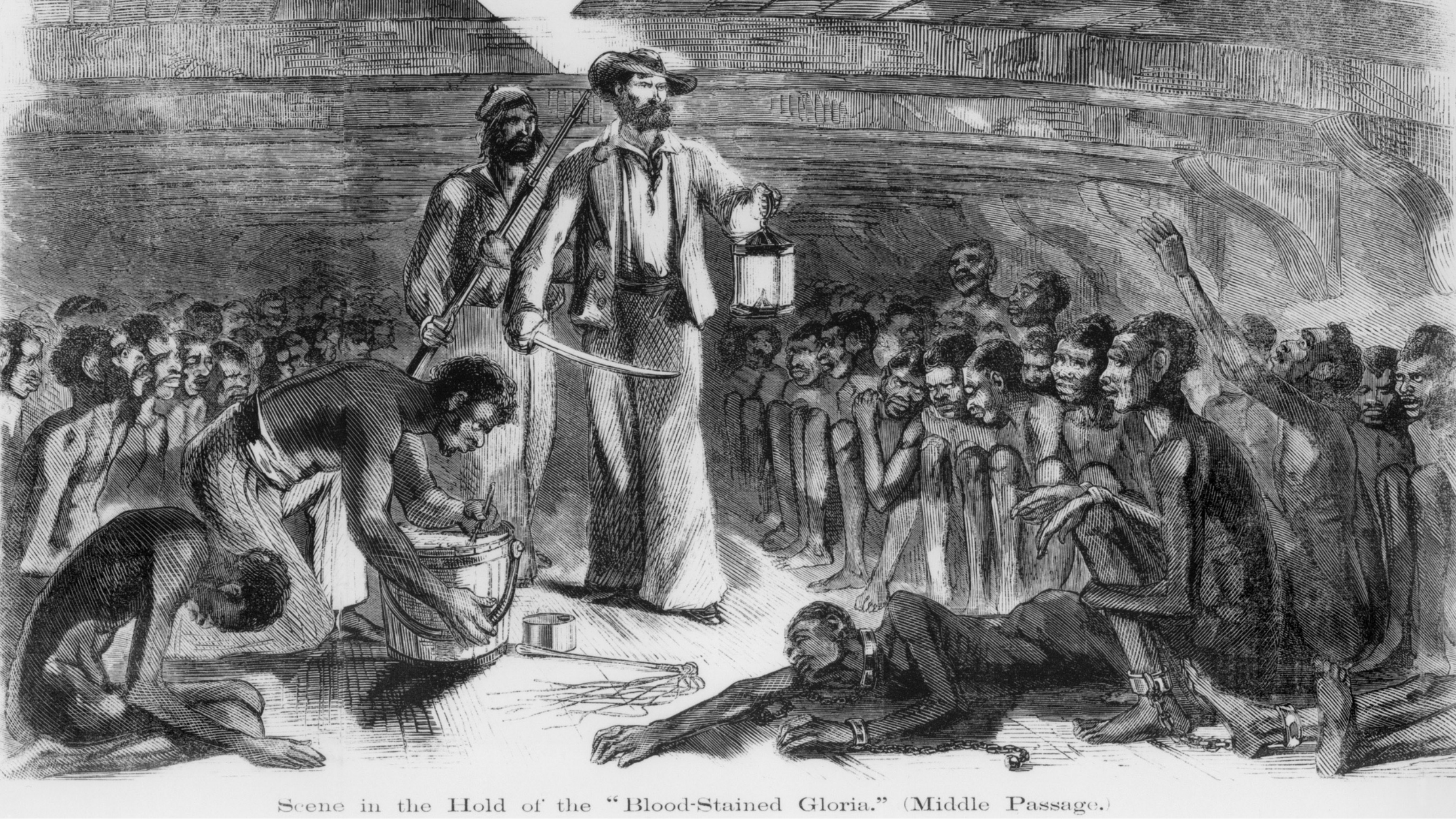
As vegans, we recognise that we live in an anthropocentric world—one that places human life above all other forms of life. But with that recognition comes responsibility. We need to be more careful, more trauma-informed, and more intersectional in how we talk about human oppression—especially when we are not personally impacted by it. Failing to do so not only causes harm, but also alienates potential allies and reinforces the very systems of violence we claim to stand against.
You cannot invoke our oppression to serve your activism while ignoring or staying silent about the ways that oppression lives on—in society and within the vegan movement itself.
It’s important to remember that all of us—regardless of our background—have been conditioned to view non-human animals as inferior. So while some of us may have begun the journey of deconstructing that worldview, many people—especially those still navigating systemic trauma and historical violence—have not yet arrived at the point of seeing animals as equals. For them, it is deeply painful to hear yet another group compare us to animals. For many of us, being compared to animals has never been about empathy—it has been used as a justification for violence, rape, murder, and ongoing dehumanisation. That history matters.
And that harm is amplified when those making the comparisons are not actively working to address the present-day consequences of those histories. It is especially painful to hear our collective trauma used as a rhetorical tool by people who do not stand in solidarity with us when we speak about racism, anti-Blackness, colonialism, or the structural inequalities we continue to face. You cannot invoke our oppression to serve your activism while ignoring or staying silent about the ways that oppression lives on—in society and within the vegan movement itself.
Across the world, Black and brown vegans continue to face exclusion, racism, and invisibility in mainstream vegan spaces.
Across the world, Black and brown vegans continue to face exclusion, racism, and invisibility in mainstream vegan spaces. In Brazil, for example, people of African descent were pushed to the margins of the vegan movement, their voices ignored and their realities dismissed. In response, they created their own powerful and thriving “Afro Vegan Movement”—a movement rooted in ancestral knowledge, cultural pride, and anti-racist practice. This isn’t an isolated case. In many parts of the world, Black and Indigenous vegans have had to carve out their own spaces to survive and be seen.
So before using our histories to draw comparisons, ask yourself: are you also challenging the white supremacy, anti-Blackness, and colonial thinking that exists in your own communities and within this movement? Are you showing up for racial justice beyond your Instagram feed? Are you supporting the work of racialised vegans, and amplifying our voices without extracting from our pain?
It was your systems, your religions, and your philosophies that pushed our ancestors toward this human-centred thinking.
We also need to talk about where this anthropocentric worldview came from. For those of you whose cultures brought colonisation to our lands: it was your systems, your religions, and your philosophies that pushed our ancestors toward this human-centred thinking. Before colonisation, many Indigenous and non-Western cultures—were animistic. We recognised the intrinsic value of all beings, living and non-living. We saw animals not as lesser, but as kin. Rivers, mountains, trees, and wind were sacred. We didn’t need a hierarchy to define worth.
So instead of using our histories to make your point, why not support us in reclaiming our pre-colonial ways of knowing? Help us reconnect with our own traditions—traditions that already recognised the sacredness of all life.
Taking a trauma-informed approach to vegan activism is not about minimising the suffering of animals—it’s about understanding that not all comparisons are helpful. If we truly want a broad, inclusive movement for animal liberation, we have to be able to hold complexity, discomfort, and accountability
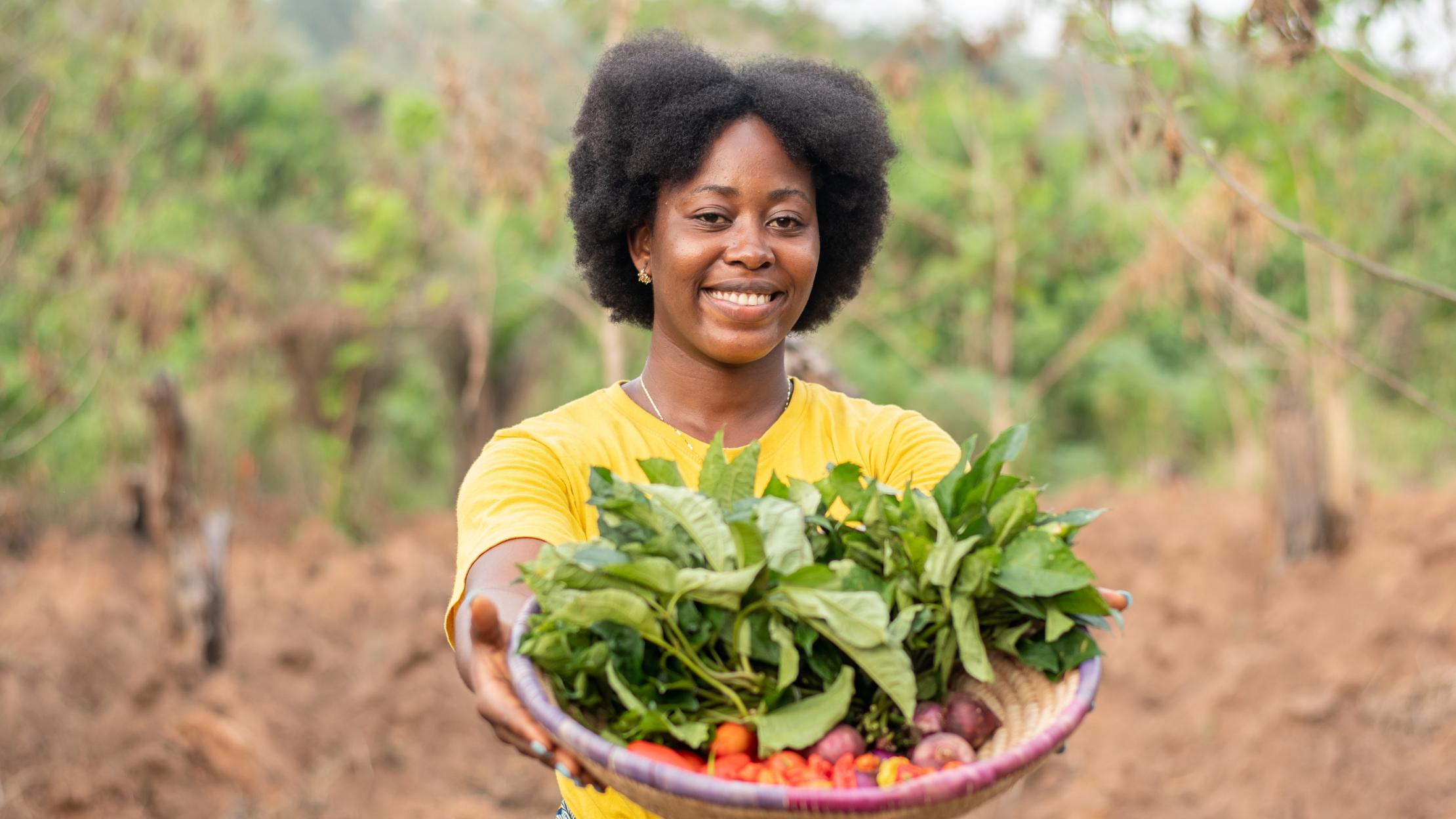
And to my fellow Black and brown people: as we move closer to our decolonial cultural roots, we must also reckon with how colonialism forced us to abandon our ancestral relationships with the natural world.
Becoming vegan is, for me, part of reclaiming that relationship. Because I believe that as long as we continue to see animals as lesser, we will never fully dismantle racism—or any other form of oppression. All oppression relies on a constructed hierarchy of worth. And liberation means dismantling that hierarchy—at every level.