Reclaiming My Roots: Addressing Inequity in Environmental Activism
Many of us know how nourishing it feels to connect with nature, right? A walk in the woods, the sound of the sea, the smell of fresh rain on soil—it’s grounding, healing, and even transformative. But have you ever stopped to ask: who gets to access these spaces? And who gets left out?
More and more evidence shows that access to nature isn’t the same for everyone. In the UK, in Spain, and across much of the Global North, these differences are often rooted in deeper systems of oppression and inequity.
I didn’t feel safe or welcome in rural areas. And I was expected to ignore the racism and marginalisation that I, and so many of my loved ones, experienced
For a long time, I kept my distance from conservation spaces and the wider environmental movement. Why? Because I didn’t see people who looked like me. The stories I grew up with—the environmental wisdom of my ancestors—were missing, erased. I didn’t feel safe or welcome in rural areas. And I was expected to ignore the racism and marginalisation that I, and so many of my loved ones, experienced both inside and outside of these spaces because the urgency to heal the planet was often prioritised above addressing these injustices. No wonder so many people from racially marginalised backgrounds feel excluded, too.
Everything shifted for me in 2019. After watching Netflix’s The Game Changers, I began learning more about veganism and how our personal choices affect the planet—not just in terms of the climate, but also the lives of other humans and non-human species we share this earth with. This was a gateway to understanding the wider systems beyond the individual consumer that have locked us in a cycle of harm —it’s about power. It’s about systems. The wealthiest people and institutions are driving this destruction, while the rest of us—especially the most marginalised—are left to deal with the consequences.
And that’s when it hit me: conservation isn’t inherently a “white space”—it’s just been whitewashed.
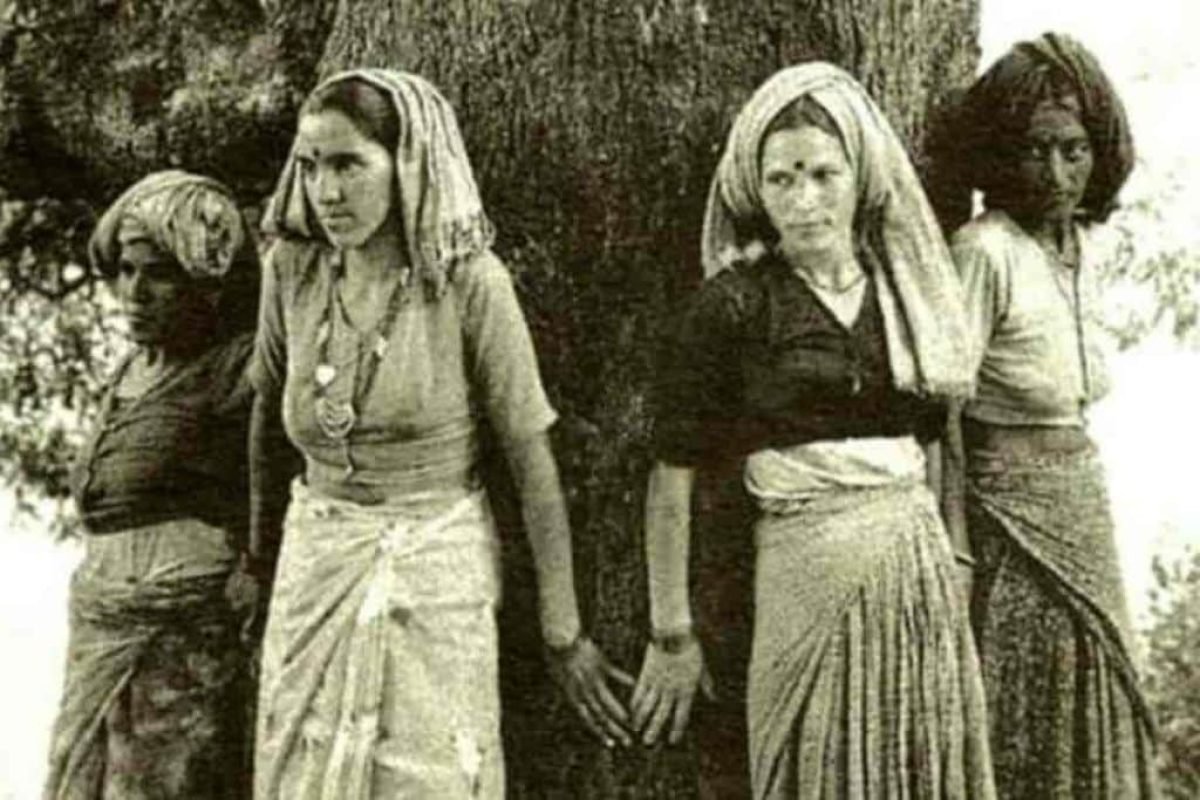
Chipko Movement, 1973 Photo Credit: Photographer unknown
I started to unearth histories I’d never been taught—stories of resistance, of environmental protection, of radical love for the land. I learned about movements like Chipko in India, and how my ancestors in both India and Uganda fought to protect their environments from the greed and violence of British colonialism. These weren’t new fights. These were long, deep-rooted struggles to protect nature, led by Black and brown communities for generations.
And that’s when it hit me: conservation isn’t inherently a “white space”—it’s just been whitewashed. So, I began thinking: What if engaging in conservation is actually a way to honour the legacies of our ancestors, to resist oppression, and to care for our shared home in community with others?
What if we redefined conservation—not as something exclusive or elite—but as something deeply connected to community, culture, and justice?
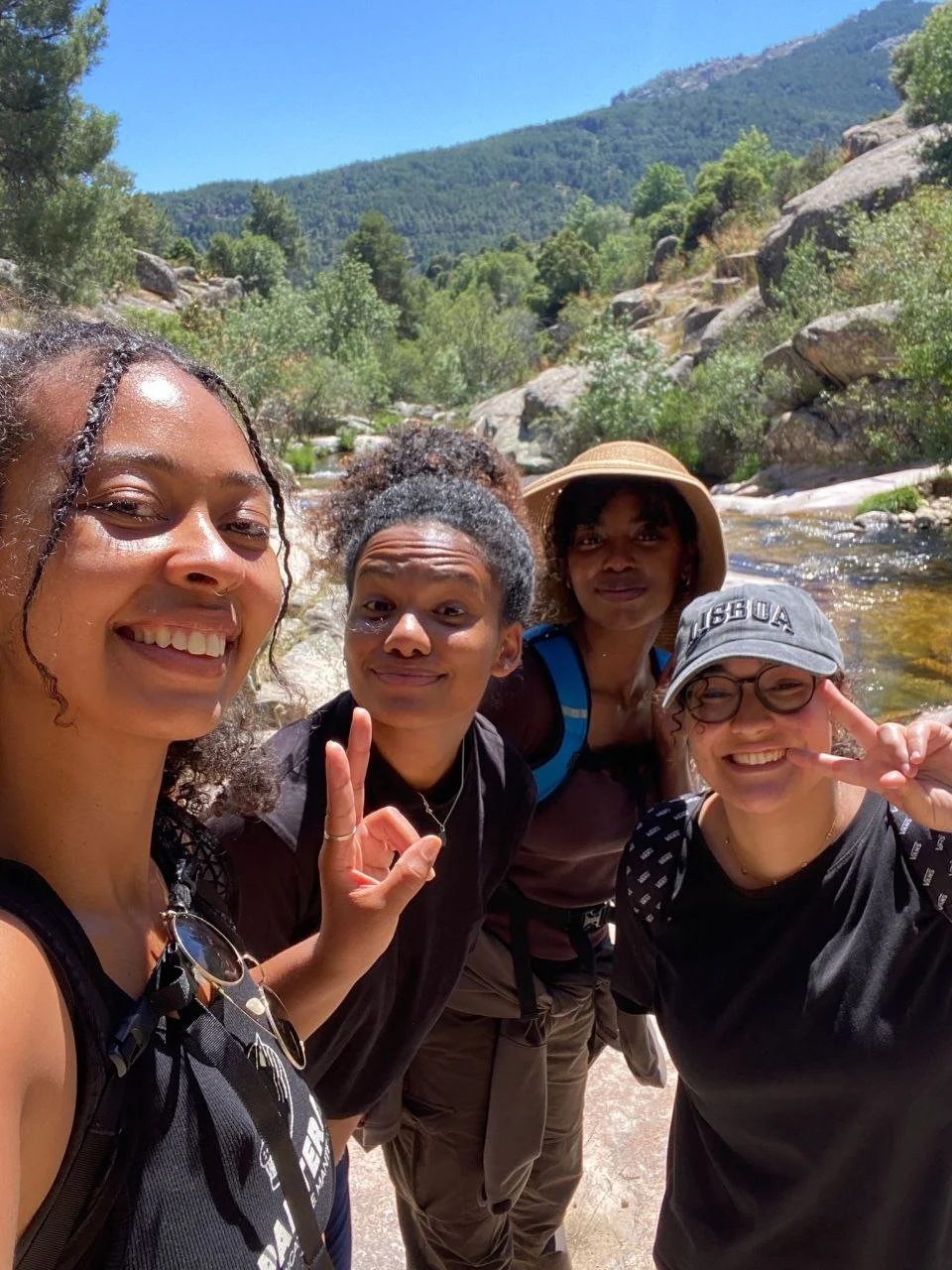
Fast forward five years, and I now belong to a vibrant community of climate justice activists in both the UK and Spain. Together, we’re not only working to heal the planet—we’re also fighting to dismantle the systems that harm both people and planet.
Because here’s the truth: environmental activism is about justice. It’s about recognising and celebrating the contributions of those who have long been pushed to the margins. It’s about reimagining conservation in a way that’s inclusive, liberatory, and rooted in collective care.
So, what would happen if we started centering the voices of those most impacted by the climate crisis? What if we redefined conservation—not as something exclusive or elite—but as something deeply connected to community, culture, and justice?
Maybe then, more people would see that they’ve always had a place in this movement. Maybe then, we’d finally start to build the kind of future we all deserve.